

Listen to the full episode up above, or find your podcast platform of choice. We’re on everything, Apple, Amazon, Spotify, Youtube, iHeart, Pocket Casts, you name it.
And make sure you listen to our VINTERVIEW with special guest, director Chris McGilvray and learn all about the feature wine documentary he directed, EDEN (2024) about the Mount Eden Winery and Vineyard, considered to have the lonbgest lineage of Pinot Nooir and Chardonnay in all of North America! It was our favorite wine doc ofthe past many years. The human story of the family behind the winery is heart breaking:
The Western As We Knew It
The Western was a cheap pulp genre in Hollywood until the 1930’s, when John Ford’s Stagecoach starring John Wayne became the best selling movie of the year. What followed was an era dubbed “The Golden Age” for the genre, spannning from 1940 - 1960, as Westerns attracted some of Hollywood’s biggest directors and stars.
By the mid-60’s, television Westerns began to supercede the poularity of the films, and Hollywood studios wound down how many of the films they made. But outside of Hollywood, a brand new kind of Western was about to take the world by storm: the Spaghetti Western.
Kickstarted by Sergio Leone’s The Man With No Name trilogy starring Clint Eastwood, over 600 Spaghetti Westerns were filmed throughout Europe between 1964 and 1978, with over 500 of those filmed in Italy alone.
Leone might have sparked this sub-genre, but after his Eastwood trilogy, he had little interest in doing any more. But this was when Hollywood came calling with an offer of a well-financed, no-strings-attached, Henry Fonda-starring Western and the offer was seductive enough for Leone to return to the genre. But this time, he invented yet another subgenre: the art house revisionist Western.
Many called ONCE UPON A TIME IN THE WEST with it’s slow, methodical pacing, and critical look at the mythology surrounding the gunslinger, the “Death of the Western”. But in truth, it was one last proper evolution.
Revisionist Westerns abounded in its wake: Corbucci’s THE GREAT SILENCE, Sam Pekinpah’s THE WILD BUNCH in 1969, Robert Altman’s MCCABE AND MRS. MILLER in 1971, JEREMIAH JOHNSON in 1972.
The real fork in the tex-mex grilled steak that was the Hollywood Western seems to be 1974’s send-up of the entire gnere, BLAZING SADDLES by Mel Brooks. A box office sensation upon its release (surprisingly, the very first true-blue hit to Brooks’ name) such an absolute parody seemed to have allowed audiences to put the gerne to bed in terms of taking it too seriously. And whatever trace good will might have remained has firmly wiped out by 1980’s overly indulgent HEAVEN’S GATE, the film that also bears the greatest repsonsibility for ending the “auteaur era” of the 1970’s in America.
What followed was the first real dry spell for the Western as a popular genre, which lasted from roughly 1975 through to the late 1980’s. Which was when a modern period began, one in which ALL the many Western sub-genres could co-exist next to each other.
The pulp silliness of YOUNG GUNS and BACK TO THE FUTURE III sat alongside the straight drama of DANCES WITH WOLVES which sat next to the revisionist flavor of UNFORGIVEABLE which sat next to the Golden Age formula of TOMBSTONE which sat next to the horror-Westerns like NEAR DARK and SUNDOWN. And the genere has never left us since.
But let’s talk about the beginning of the final unique “era” of the Western film. The 3-hour epic work of cinema that launched Charles Bronson’s career at the age of 47 and made audiences see the baby blues of Henry Fonda in a whole new light.
Let’s talk ONCE UPON A TIME IN THE WEST, and whatt our perfect wines are to pair with it.
The Wines
Listen to the episode to learn the stories behind the wines and our reasoning for each pairing:
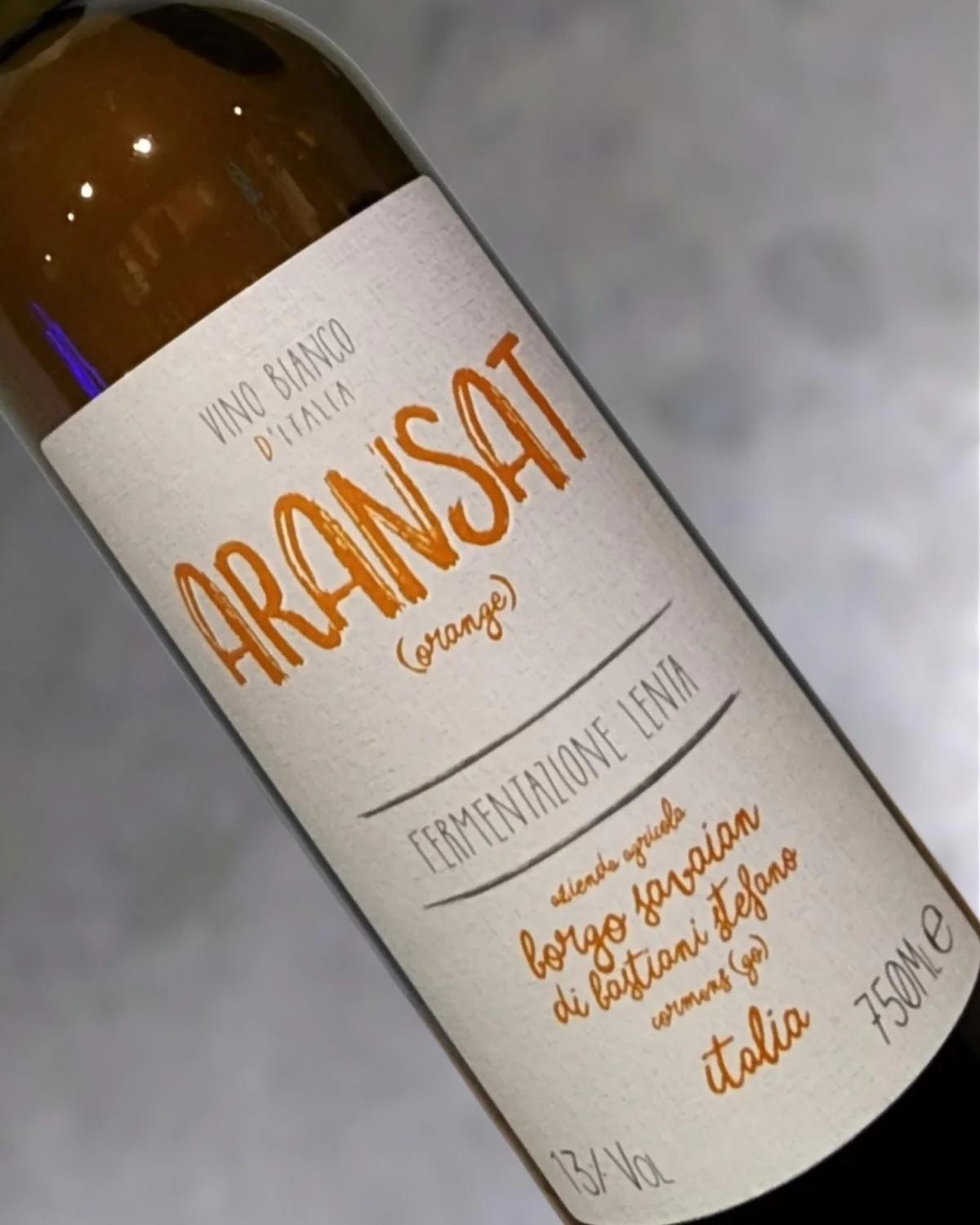
Borgo Savaian “Aransat” Orange Wine, Friuli Venezia-Giulia, Italy
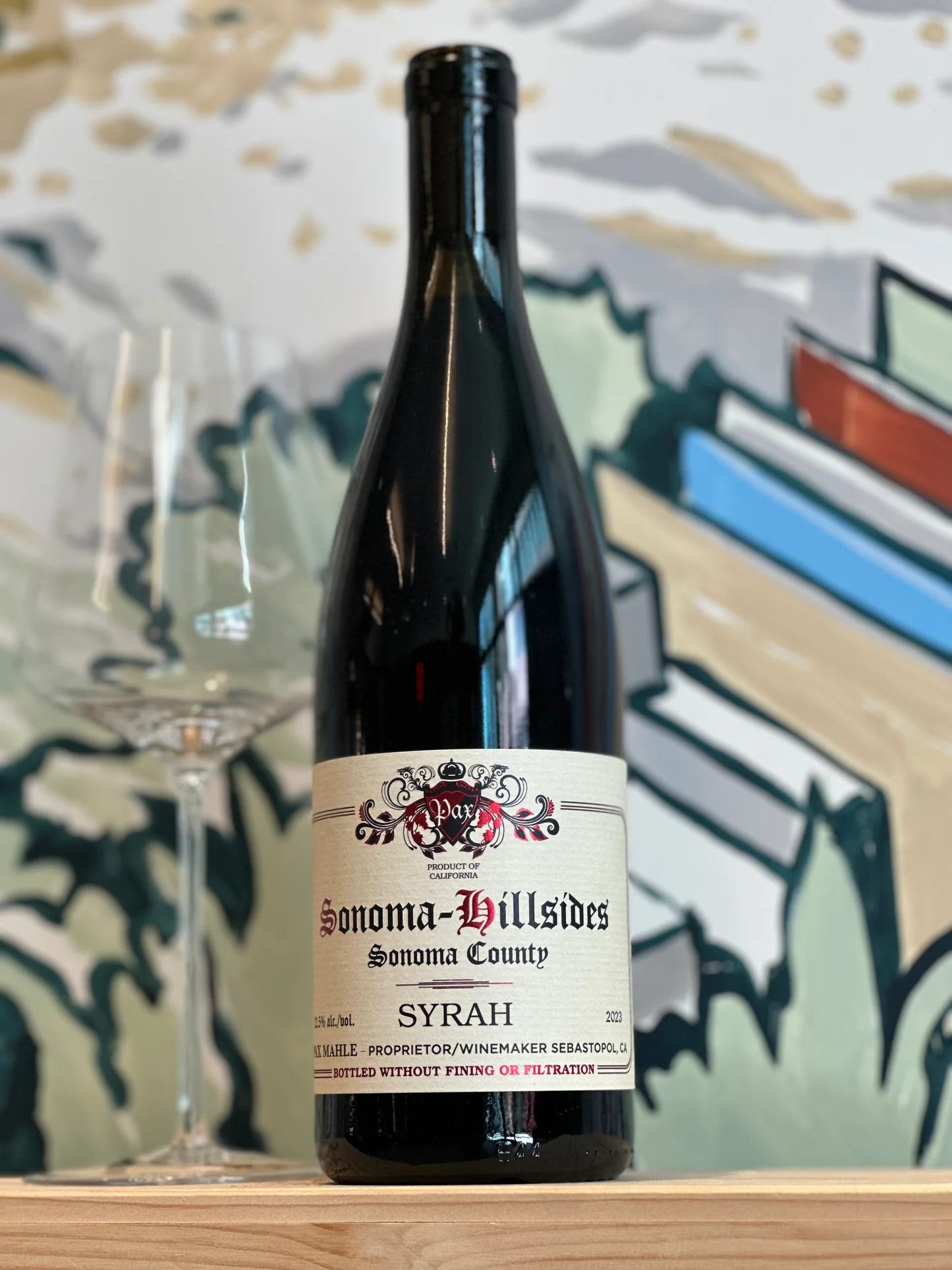
Pax Syrah, Sonoma Hillsides 2023
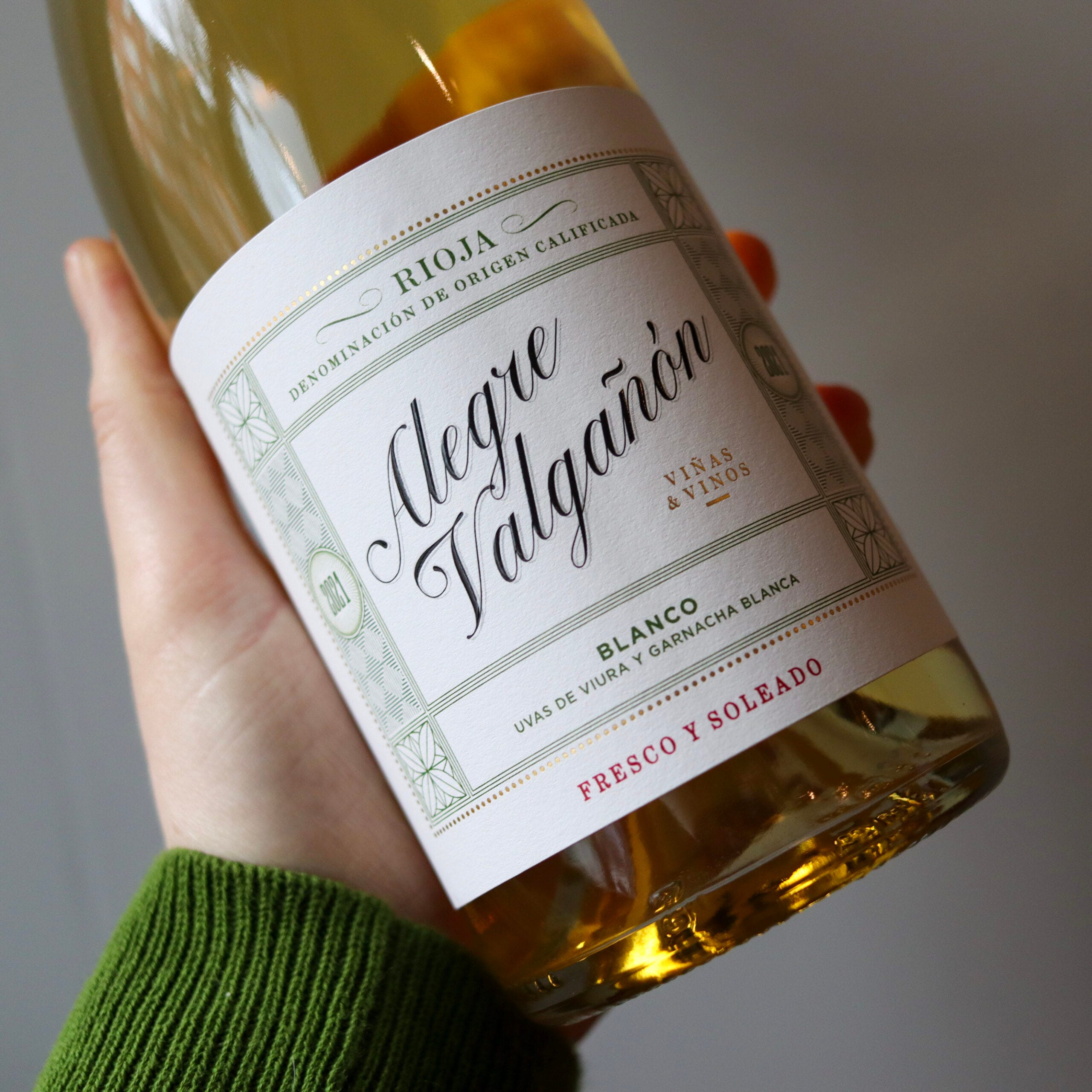
Alegre Valganon Rioja Blanco 2024
Leave us a comment!


